Real Estate Tokenization: How to Invest in 2026
The dream of owning property has traditionally been reserved for those with deep pockets, high credit scores, or access to complex institutional financing. For decades, the barriers to entry—massive down payments, illiquidity, and bureaucratic red tape—kept the average investor on the sidelines.
However, as we move through 2026, a technological shift has matured from a “crypto experiment” into a cornerstone of modern finance. Real Estate Tokenization is no longer just a buzzword; it is a multi-billion dollar bridge between physical brick-and-mortar assets and the digital efficiency of the blockchain.
In this guide, we will explore the 2026 landscape of tokenized property, the benefits of fractional ownership, and a step-by-step framework for how you can start investing today.
1. What is Real Estate Tokenization? (The 2026 Definition)
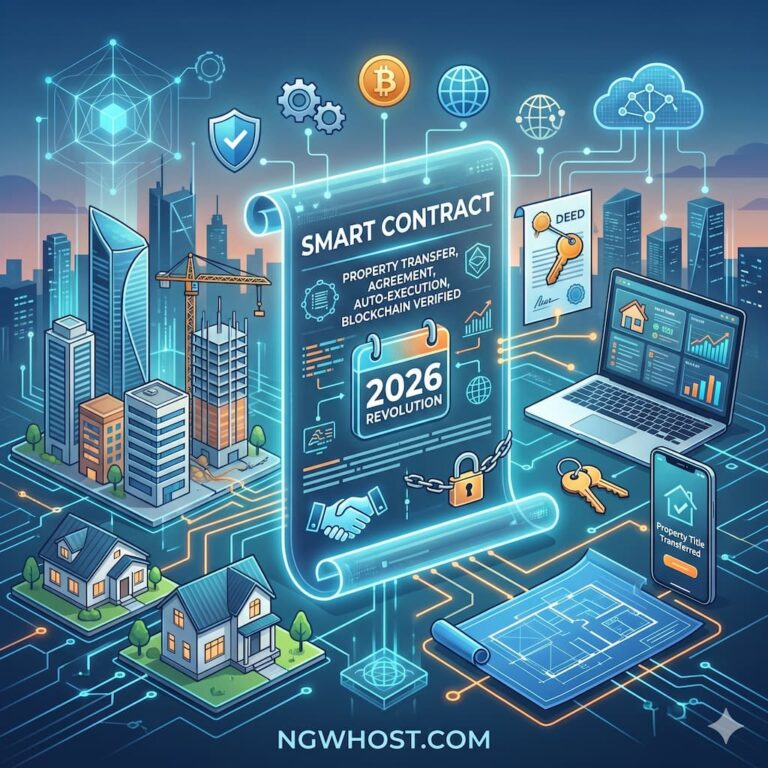
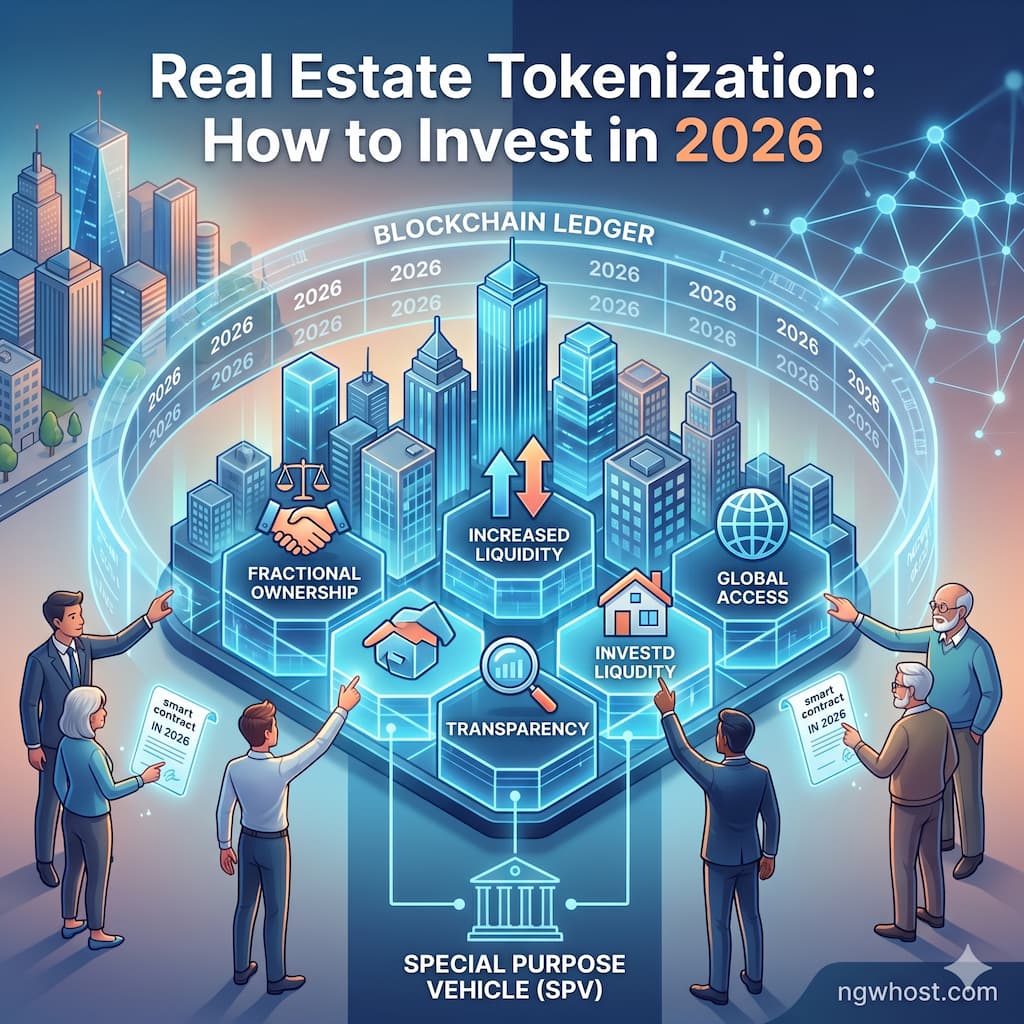
At its core, tokenization is the process of converting the ownership rights of a physical property into digital tokens on a blockchain. Think of it as “fractionalizing” an apartment building or a commercial warehouse into thousands of tiny pieces.
In 2026, this is typically achieved through a Special Purpose Vehicle (SPV). A legal entity (like an LLC) holds the deed to the property, and that entity is then “tokenized.” When you buy a token, you are legally purchasing a share of that entity, which entitles you to:
- Rental Income: Distributed automatically to your digital wallet.
- Capital Appreciation: If the property value rises, your token value follows.
- Governance Rights: Voting on property management decisions (e.g., when to renovate or sell).
Why 2026 is Different
Unlike the early 2020s, the current market is defined by regulatory clarity. With the full implementation of frameworks like the EU’s MiCA (Markets in Crypto-Assets) and the U.S. GENIUS Act, tokenized assets are now recognized as regulated securities, providing investors with much-needed legal protection.
2. The Core Benefits: Why Move Away from Traditional REITs?
While Real Estate Investment Trusts (REITs) have existed for years, tokenization offers several distinct advantages that have made it the preferred choice for the “digital-native” investor of 2026.
A. Micro-Fractionalization
In the past, even “low-entry” real estate required thousands of dollars. Today, platforms allow you to invest as little as $50 into a prime piece of Manhattan commercial space or a beachfront villa in Portugal.
B. Secondary Market Liquidity
Traditional real estate is notoriously “sticky.” Selling a house takes months. However, 2026 has seen the rise of Automated Market Makers (AMMs) and regulated secondary exchanges. You can trade your property tokens 24/7, with settlements happening in seconds rather than weeks.
C. Transparency and Automation
Through Smart Contracts, the “middleman” is largely eliminated.
- Escrow is handled by code.
- Dividends are paid out daily or weekly (no waiting for quarterly checks).
- Ownership is immutable on the ledger, making title disputes a thing of the past.
3. How to Invest: A Step-by-Step Guide for 2026
Investing in tokenized real estate requires a blend of traditional financial due diligence and digital literacy.
Step 1: Choose a Regulated Platform
Do not invest through unverified Telegram groups or “gray market” sites. In 2026, several “Institutional-Grade” platforms dominate the market. Look for platforms that are:
- Registered with the SEC (US) or ESMA (EU).
- Partnered with reputable property management firms.
- Integrated with audited stablecoins (like USDC or regulated tokenized deposits).
Step 2: Complete KYC/AML Verification
Because these tokens are legal securities, you cannot remain anonymous. You will need to provide identification and pass Know Your Customer (KYC) checks. This is a sign of a legitimate platform; if a site doesn’t ask for ID, stay away.
Step 3: Analyze the “Underlying Asset”
Don’t let the “digital” nature of the token distract you from the “real” nature of the estate. Evaluate:
- Location: Is the area growing?
- Occupancy Rates: Is the property currently generating income?
- The Oracle: How is the property value updated? (Most 2026 platforms use decentralized oracles like Chainlink to feed real-world appraisals onto the blockchain).
Step 4: Wallet Management
While some platforms offer “custodial” services (they hold the tokens for you), the true power of tokenization lies in self-custody. Use a hardware wallet or a secure “Smart Contract Wallet” to store your tokens.
4. Key Investment Strategies for 2026
As the market has matured, three primary strategies have emerged for tokenized real estate investors:
| Strategy | Risk Level | Target Yield (2026 Avg) | Best For |
| Yield Farming (Rental) | Low | 6% – 9% | Investors seeking passive, monthly cash flow. |
| Development Crowdfunding | High | 15% – 22% | Investing in “ground-up” construction for high capital gains. |
| The “Digital Landlord” | Medium | Variable | Owning small percentages of 20+ properties to diversify risk. |
5. The Risks You Must Consider
No investment is without risk. Despite the advancements of 2026, you must be aware of:
- Smart Contract Vulnerability: Even with audits, code can have bugs. Ensure the platform has an insurance fund (e.g., via Nexus Mutual).
- Regulatory Shifts: While 2026 is stable, laws can change. A “utility token” today might be reclassified tomorrow.
- Market Volatility: While real estate is more stable than Bitcoin, the liquidity of tokens can sometimes lead to “flash crashes” if a large holder sells their stake quickly.
- Property Management: If the physical roof leaks, the digital token’s value may drop. You are still reliant on the “real-world” property manager to do their job.
6. The Future: Real Estate in the DeFi Ecosystem
The most exciting development in 2026 is the integration of property tokens into Decentralized Finance (DeFi).
Investors are now using their real estate tokens as collateral. Imagine owning $10,000 in tokenized London apartments and using that “locked” value to take out a low-interest loan in stablecoins to buy more assets—all without ever talking to a bank. This “composable” nature of real estate is what makes it the most powerful asset class of the decade.
Read More⚡ Passive Income Strategies: Real Estate vs. Dividends
Conclusion: Is 2026 the Year to Buy?
Real estate tokenization has moved from the “Early Adopters” phase to the “Early Majority.” With institutional players like BlackRock and JP Morgan increasingly involving themselves in Real World Asset (RWA) tokenization, the infrastructure is more robust than ever.
For the readers of ngwhost.com, the message is clear: The barrier to entry has vanished. You no longer need to be a millionaire to be a landlord. By understanding the technology, verifying the platforms, and performing traditional due diligence, you can build a global property portfolio from your laptop.
The future of property isn’t just made of bricks; it’s made of blocks.
Key Takeaways for your Blog Post:
- Focus on RWA (Real World Assets): This is the term of the year.
- Emphasize Legal Compliance: In 2026, “unregulated” is a red flag.
- Fractional is King: Highlight the ability to diversify across continents with small amounts of capital.
How do you plan to diversify your property portfolio this year—will you go for commercial warehouses or residential luxury rentals?